Knitting Kits That Make Good Gifts, Ranked by What's Actually in the Box
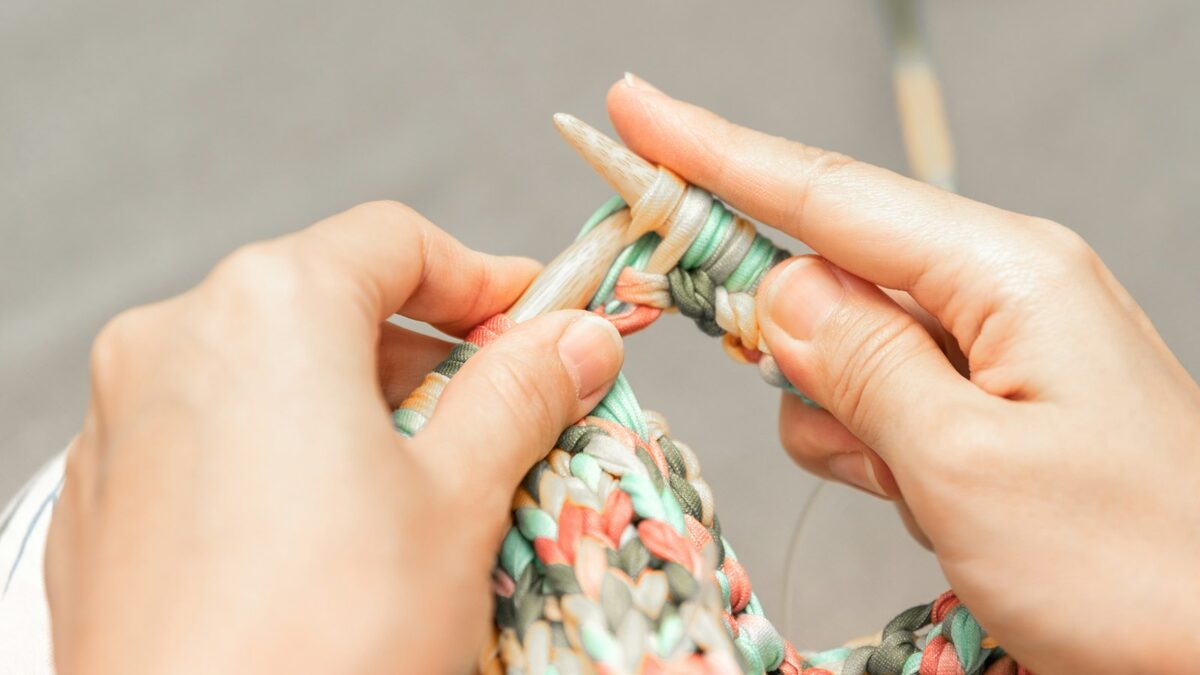
A knitting kit is a specific kind of gift: it says "I think you'd enjoy this" more than a finished object does, but it only works if the box actually contains everything the pattern inside asks for. We ordered eight kits marketed as gifts for a beginner, opened every one, and checked the contents against the pattern line by line — yarn yardage, needle size, notions, even whether the printed gauge swatch instructions matched the needles in the box. Four kits were short on something. Four weren't.
What we checked for
- Does the yarn quantity in the box actually match or exceed what the pattern calls for, with a reasonable margin for a beginner's tension?
- Are the needles the size the pattern specifies, and are they a material a first-time knitter can actually use (metal tips can be hard to grip; some cheap kits include bent or flimsy needles)?
- Are the written instructions clear enough for someone who has never knitted before, with no assumed vocabulary?
- Does the packaging itself look like something you'd be glad to give, unwrapped, as a gift?
The ranking
1. We Are Knitters The Hat Kit — $39
Comes with two full skeins of The Wool (enough for a hat and a bit left over, which matters — running short three rows from the end of a gift kit is a miserable experience), a correctly sized set of 9mm needles with comfortable round tips, and a tapestry needle for finishing. The instruction booklet uses photos at every step instead of relying on written abbreviations alone, which is exactly right for someone who's never held a knitting needle. This was the only kit in the batch we'd give to someone with genuinely zero experience.
2. Wool and the Gang Big Cozy Scarf Kit — $45
Slightly more expensive, but the yarn is lovely — a cotton-acrylic blend that's soft enough for a scarf against the neck, which not all chunky kit yarns manage. Needles included are correctly sized 10mm, and the box itself is sturdy enough to be the gift wrapping, no additional wrapping needed. The instructions assume you already know how to cast on, which is the one knock against it as a true first-timer's kit — pair it with a five-minute video tutorial and it's fine.
3. Lion Brand Learn to Knit Kit — $24
The budget pick, and it earns the price: full skein of Wool-Ease, straight needles in the correct size, a plastic yarn needle, and a laminated instruction card you can wipe clean, which is a nicer touch than it sounds. The project is a simple garter-stitch cowl rather than anything shaped, so it's genuinely achievable in an evening. Not a luxury gift, but an honest one.
4. Darn Good Yarn Fingerless Mitts Kit — $32
The yarn here is a fair-trade wool-silk blend that feels noticeably nicer than anything else in this price range, and there's exactly enough of it — no more, no less — for the mitts shown on the box. The needle size printed on the pattern insert matched what shipped in the box, which, after this test, I no longer take for granted. Best for someone who already knows the basics and wants their first "real" project.
The four that fell short
Two kits shipped with needles one size smaller than the pattern called for, which would leave a beginner with a too-tight, exhausting fabric and no idea why their hands hurt after twenty rows. One kit was short nearly fifteen yards of yarn against its own pattern's stated requirement — enough to leave a hat unfinished at the crown. One kit's instructions used six abbreviations without ever defining them, which defeats the entire point of a kit aimed at someone new to the craft. We're not naming the four outright, but if you're buying a kit as a gift, it genuinely is worth opening the yarn label and counting yardage against the pattern before you wrap it — a five-minute check that saves the recipient a frustrating first evening.
What to check before you buy any kit
- Does the listing specify the yarn yardage, not just "includes yarn"? Vague listings are the biggest red flag.
- Is the needle size stated, and does it match standard sizing for the weight of yarn shown?
- Do the photos show the actual needles and notions, or only the finished object?
- Is there a return policy if the kit arrives short on materials? The four best kits above all had one.
Who a kit is actually a good gift for
Kits work best for someone who has said, out loud, that they'd like to learn — not someone you're hoping to convert into a knitter through sheer enthusiasm. The failure mode I've seen most often with gifted kits isn't a bad kit, it's a good kit given to someone who was never actually interested, and it ends up in a closet unopened. If the person has mentioned wanting to try knitting, a kit removes the single biggest barrier to starting, which is standing in a craft store trying to guess which needles go with which yarn. If they haven't mentioned it, a finished object you made yourself is almost always the safer gift.
What a good kit gets right that a bad one doesn't
Beyond the yarn and needle math, the best kits in this test all did one thing the weaker ones skipped: they explained why a step works, not just what to do. The We Are Knitters booklet, for instance, notes that you should check your tension against a photo of the correct stitch size before continuing past the first few rows — a small addition that catches a too-tight or too-loose knitter before they've invested an hour in fabric they'll need to rip back. None of the four kits that fell short included anything like it; they simply listed steps and trusted the knitter to notice if something had gone wrong, which is exactly the skill a beginner hasn't built yet.
Price versus what you're actually paying for
It's worth separating the yarn cost from the "kit premium" when you're deciding whether a box is worth it. A skein of Wool-Ease alone costs about $6.49; the Lion Brand kit at $24 includes one skein plus needles, a yarn needle, and a laminated instruction card, which puts the actual premium over buying the parts separately at somewhere around $14–16 for the convenience and the teaching material. That premium is reasonable for a first-time gift. It's a much harder sell for an experienced knitter who already owns needles in every size and doesn't need the instructions — for that person, the loose yarn alone, in a color they'd actually pick, is usually the better gift.