Twelve Paid Sock Patterns Worth Every Penny (and Three Free Ones)
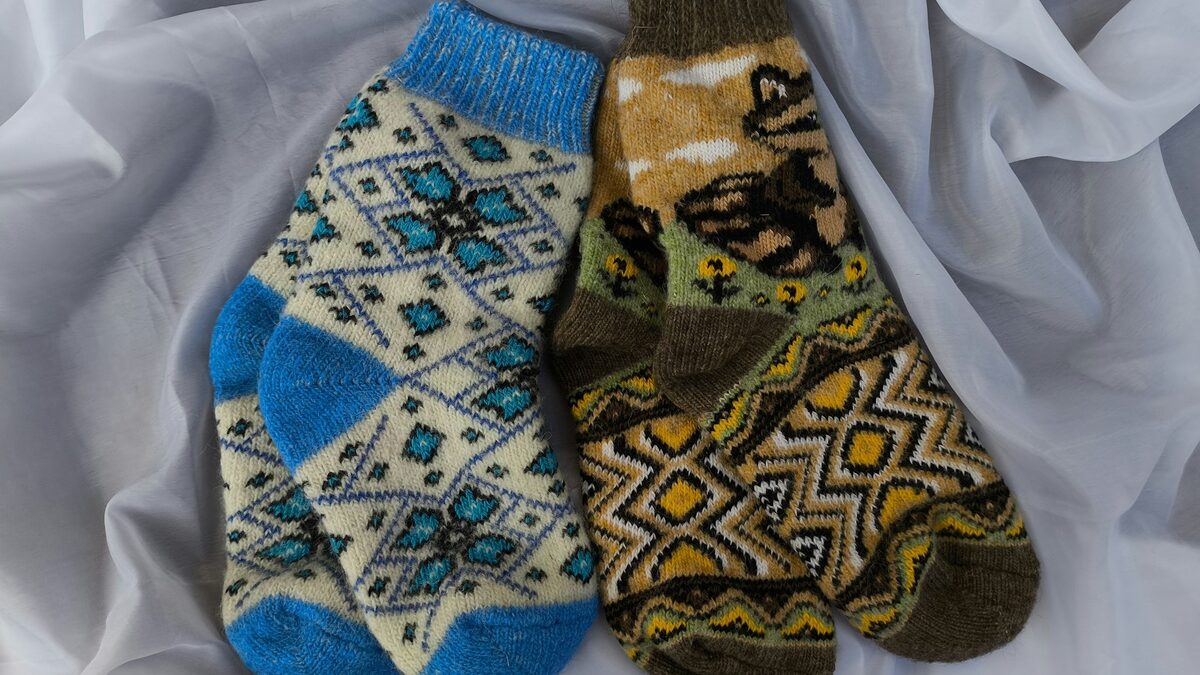
A sock pattern is a strange thing to pay for. The basic shape — cuff, leg, heel, gusset, foot, toe — is the same whether you bought the instructions or not, and you can find a free generic sock recipe in about four seconds. What you're actually paying for with a good designer pattern is the stitch pattern charted correctly for a sock's unusual geometry, the heel worked out so it doesn't fight the pattern, and someone else's trial and error already spent so yours doesn't have to be.
I buy a lot of sock patterns. Here are twelve I'd pay for again, in order of how often I actually reach for them, followed by three free patterns that deserve a place in the same list.
The twelve patterns, ranked
- Hermit's Hollow Socks — Thistlebrae Patterns, $7.00. An all-over cable that somehow doesn't fight the heel turn. This is the pattern I recommend to anyone buying their first charted sock pattern.
- Gansey Rib Socks — Woolgatherer Co, $6.50. Takes a traditional Scottish gansey texture and scales it down to fit a sock leg without losing the pattern repeat at the heel. Works in almost any solid or lightly variegated yarn.
- Vine & Leaf Lace Socks — Juniper & Vine Designs, $8.00. A genuinely difficult lace chart, but the written line-by-line instructions below the chart make it accessible to someone who's never lace-knitted before.
- Afterthought Heel Basics — Marnie Hask Designs, $5.00. Not flashy, but the clearest written explanation of an afterthought heel I've knitted from, with photos at every step most patterns skip.
- Commuter Socks — Thistlebrae Patterns, $6.00. Plain stockinette foot, textured leg, designed to be knitted on the train without a chart in sight once you've memorized the eight-row repeat.
- Twist & Shout — Harewood Lane Knits, $7.50. A traveling-stitch pattern with no cables requiring a cable needle — every cross is done with a simple knit-through-back-loop trick that speeds up the whole sock.
- Fair Isle Footlets — Woolgatherer Co, $9.00. Stranded colorwork ankle socks with a charted color key that's easier to follow than most sweater-sized Fair Isle charts.
- Heel Flap Heaven — Marnie Hask Designs, $5.50. A reinforced heel flap pattern using a slip-stitch heel that genuinely does last longer under the ball of the foot — I've worn a pair for two winters with no holes.
- Toe-Up Basics, Line by Line — Thistlebrae Patterns, $6.00. The best toe-up tutorial pattern I've used, built for people who learned cuff-down first and need the construction explained in the opposite direction.
- Little Leaves Anklets — Juniper & Vine Designs, $5.50. A quick weekend pattern, lace only on the instep so the sole stays plain and comfortable in a shoe.
- Entrelac Ankle Socks — Harewood Lane Knits, $8.50. Entrelac is intimidating in sweater form; this pattern breaks it into small enough blocks that a first attempt at the technique is genuinely achievable.
- Two-at-a-Time Magic Loop Basics — Marnie Hask Designs, $6.50. Not a stitch pattern so much as a technique pattern — teaches knitting both socks simultaneously on one long circular, which solves second-sock syndrome permanently.
What separates a $7 pattern from a free one
The gap is almost always in three places: the heel turn math (a free pattern usually gives you one heel style and expects you to adapt it; a good paid pattern gives you the heel that's actually right for that particular stitch pattern), the schematic (paid patterns tend to include a diagram with every measurement labeled, which matters enormously if you're resizing for a foot that isn't a sample size), and tech editing — someone other than the designer has checked the stitch counts at every row transition. I've hit math errors in free patterns that cost me a full evening of frogging. I've never hit one in a pattern from any of the four designers above.
Three free patterns that don't need you to pay
- Vanilla Socks — the baseline. No single designer attribution really applies here; it's the generic plain sock recipe every knitter should have memorized, free wherever sock patterns are discussed.
- Sockhead Slouch Socks — a widely shared basic ribbed pattern, free, built around a 1x1 twisted rib leg that looks more complicated than it is.
- Basic Toe-Up Sock — the toe-up equivalent of Vanilla Socks, and worth learning even if you prefer cuff-down, because it's the easiest way to try on the sock as you go.
If you're new to sock knitting, start with one free pattern to learn the mechanics, then buy your first paid pattern once you want a texture or construction a free pattern won't give you. That's the order that made the money feel worth spending, to me.
What yarn actually matters for socks
Almost every pattern on this list assumes a fingering-weight sock yarn with at least some nylon content — usually 75% superwash wool to 25% nylon. That nylon percentage isn't a minor detail; it's the difference between a sock that wears through at the heel in a single winter and one that lasts for years. A beautiful 100% merino yarn with no reinforcing fiber will felt and thin exactly where your foot does the most work, no matter how good the pattern is. If a skein doesn't list a fiber blend with some nylon or similarly tough synthetic in it, I'd save it for a cowl rather than a sock, however nice the color.
How I decide whether a pattern is worth buying
Before paying for any sock pattern now, I look for three things in the listing: whether the designer includes both a chart and full written row-by-row instructions (charts alone exclude knitters who haven't learned to read them, and written-only instructions get unwieldy fast for anything with more than a four-row repeat), whether the pattern states which heel it uses before you buy rather than making you guess from the photos, and whether there's a schematic with actual measurements rather than just finished sizes in words. Patterns that are missing all three of those are usually the ones that end up abandoned half-knitted in my project bag.
A note on sizing
Most of the designers above write patterns graded across a reasonably wide size range — usually women's small through men's large — but foot width varies more than most patterns account for. If you have a notably narrow or wide foot, read the pattern's gauge and stitch count before buying rather than after: a pattern with a fixed stitch count and no notes on adjusting width is harder to resize mid-project than one that explains, up front, how to add or remove a repeat of the stitch pattern without breaking the chart.